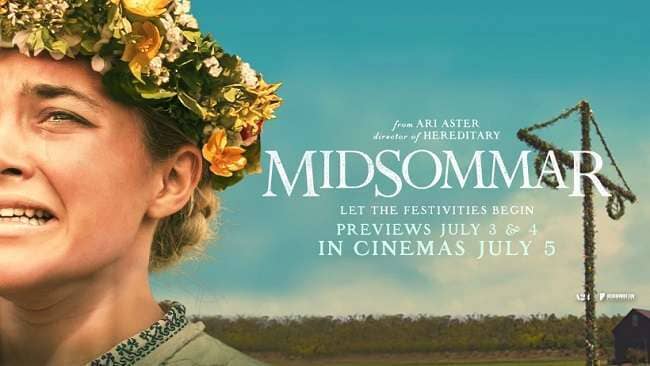
Midsommar is not a horror film.
“It’s therapy you never asked for—and it won’t work.”
Everyone has already said that Midsommar is about grief, about a toxic relationship, that the endless Swedish light is the horror, and that Dani is finally set free. Those readings are correct — and that’s exactly why they’re not enough.
What no one is saying is this: Midsommar is a film about the desire to be absorbed. Not to heal. To dissolve.
“Dani doesn’t find a surrogate family. She finds a collective that consumes individual identity — and that consumption, terrifyingly, feels like relief.”
The mistake of calling it healing
Ari Aster builds Dani as someone who was emotionally abandoned long before her family died. Christian is just the most recent version of a loneliness she had already been living inside. When Hårga takes her in — cries with her, breathes with her, feels with her — the audience feels the same relief Dani feels.
And that’s where the real horror lives: we want her to stay.
The film failed — not technically, but ethically, on its own terms — by never showing the psychological cost of that absorption. Dani becomes queen of a collective death ritual and smiles. That smile was read as catharsis. But it’s a dissociative smile. She didn’t come back to herself. She disappeared.
What was missing — and what nobody said
Midsommar should have made us more uncomfortable with the warmth than with the bloodshed. The sacrifice of the elders, the explicit violence — those are easy to reject. What’s hard to reject is a community that truly sees you, that weeps alongside you, that tells you that you belong. Aster walked right up to that edge and stepped back.
The film it could have been: a precise exploration of how severe trauma makes us vulnerable to any structure that offers cohesion — cults, ideologies, “warm” abusive relationships. Hårga is a perfect metaphor for that mechanism. But the screenplay uses that metaphor as decoration, not as a scalpel.
What the film gets exactly right
- Perpetual light as a metaphor for a mind that never gets to rest — no darkness to process anything in
- Collective emotional mirroring as control disguised as empathy
- The aesthetic beauty of ritual as a moral anesthetic
- Modern urban loneliness as the precondition for communal fanaticism
The gap no one wants to name
Midsommar was so well received because it gave audiences something rare: a horror film that feels emotionally honest. But emotional honesty without psychological rigor produces false catharsis. Viewers leave thinking they understood something about themselves. What they actually understood is that extreme pain makes any exit seductive — including one that requires you to watch people burn alive.
That should disturb us far more than it did.
But there’s another layer most people miss. Most viewers believe Midsommar is about a woman who falls into the grip of a cult. But the real story of Midsommar is about something every human being desperately wants: to belong.
And that’s exactly where the horror lives. The Babadook: When Grief Becomes the Monster
Midsommar: The Terror of Belonging
Throughout the entire film, Dani isn’t looking for love. She isn’t looking for healing. She isn’t looking for revenge against Christian. She is looking for a tribe.
From the very beginning, Dani is a stranger in her own life. Her family vanishes in a senseless tragedy. Her boyfriend stays out of obligation, not affection. Her friends tolerate her like an unavoidable burden. At no point in the film does anyone truly take her in.
Notice something: Dani never forces herself into anyone’s life. She does the opposite — she is constantly apologizing for existing. She apologizes for crying, for feeling, for needing people, for taking up space. That is her psychological baseline. The cult sees it immediately.
While viewers think they’re watching a brainwashing, what actually happens is far more sophisticated. They don’t break Dani’s mind. They offer what she never had: belonging.
And here is the film’s most ruthless critique. The cult doesn’t win Dani over because it’s evil. It wins her over because it’s effective. When Dani cries, the women cry with her. When Dani screams, they scream with her. When Dani suffers, they suffer with her.
It is a grotesque performance of human empathy — but how often does modern society do better? The film forces us to ask an uncomfortable question:
Is the cult monstrous—or does it simply take legitimate human needs to their extreme?
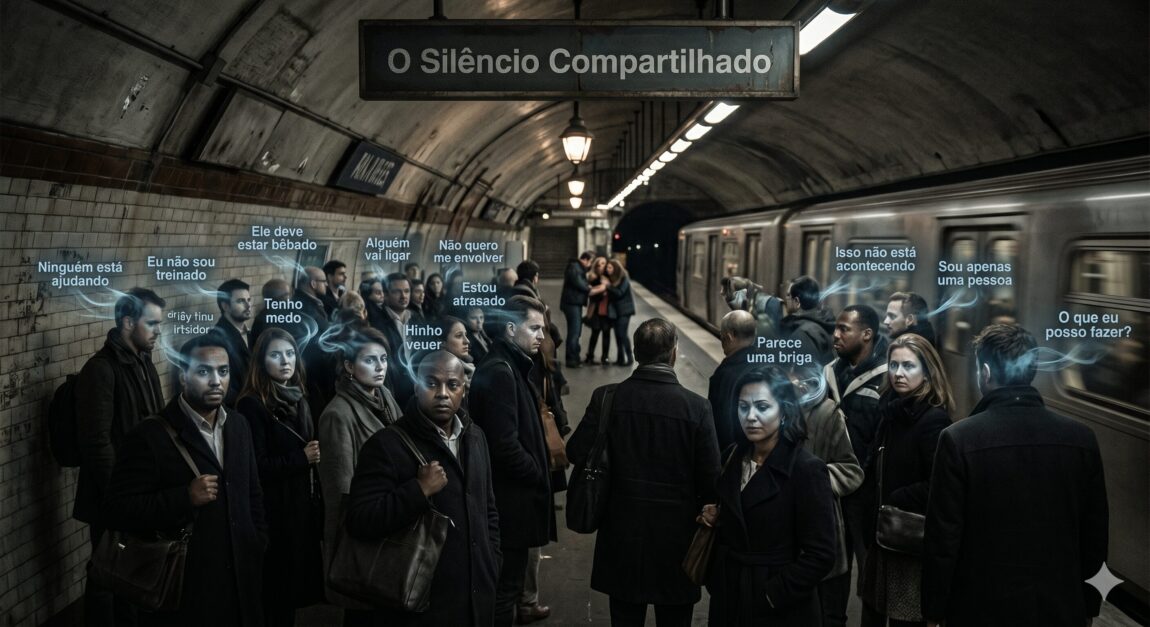
The modern world sells individualism. The cult sells community. Society says: figure it out on your own. The cult says: your pain is our pain. Society ignores Dani. The cult crowns her queen.
And then we realize something terrifying. Dani doesn’t choose the cult in spite of the sacrifices. She chooses it because of what it gives her. That difference changes everything.
We are not watching a victim being captured. We are watching someone finally find a place where her existence seems to matter. That is what makes the ending frightening — because we understand her decision.
The final smile
Many read the final smile as liberation. Others call it madness. I think both are wrong. The final smile is relief.
For the first time in her life, Dani is not alone. It doesn’t matter that the price is monstrous. It doesn’t matter that people died. It doesn’t matter that the entire community is built on ritual violence.
She belongs.
And that is Midsommar’s most devastating critique. Human beings can endure pain. They can endure loss. They can endure humiliation. What they rarely endure is isolation.
The film suggests something terrible: many people would accept absurd ideas, dangerous leaders, even the complete destruction of their own identity — if it meant they would never feel alone again.
The real monster
In the end, the villain is not the cult. It’s not Christian. It’s not even the family tragedy. The true monster of Midsommar is the human hunger for belonging.
A hunger so deep it can turn a prison into a home.
And perhaps that is why the film unsettles us so much. Because deep down, all of us understand Dani.
And understanding Dani is far more frightening than fearing the cult.